February 20, 2012
Causes of Fatigue
|
Fatigue Q&A
Given my introduction
to natural medicine came about as a result of suffering from severe fatigue and
immune system compromise via Chronic Fatigue Syndrome for several years, I was
recently asked to answer the following questions on fatigue that may end up
being published.
Fatigue is a subject I have done a lot of research on over the years and have
helped with the recovery of many clients over the years who have also suffered
from fatigue.
I hope you find this short Q & A piece a worthwhile and educational read.
Q:
What causes fatigue:
Fatigue most often appears as a
result of a number of ailments or aspects of living that debilitate our system.
These include:
- Post
viral illness; i.e. glandular fever, chronic sinusitis etc.
- Post
extreme and/or chronic stress - be it emotional (divorce, death in the family,
bankruptcy, VCE etc),or physical (i.e. as is often seen in athletes who over
train).
- As
a result of long term elevated and/or fluctuating blood sugar levels - leading
to hypoglycaemia or insulin resistance.
- Over
stimulation of the nervous system via stress (as above), and excessive amounts
of stimulants (coffee, energy drinks, sugar, alcohol, smoking, drugs etc.).
- Gastro-intestinal
problems - IBS, dysbiosis etc.
- Obesity.
- Chronic
inactivity or lack of exercise.
- Vitamin/mineral
deficiencies; i.e. anaemia.
In general, it could be argued that
all of the above occur as a result of living in a fashion that is out of
alignment with how our bodies have been built or genetically programmed (via
evolutionary environmental influences) to function optimally or thrive.
These aspects of living include how we eat and drink, how we move (or not!!),
how we breathe, how we think and how we rest and rejuvenate.
Q: Why do people feel tired?
As above. However at a cellular
level it is because their cells no longer produce energy efficiently due to:
- Nervous system and adrenal exhaustion
- via over stimulation.
- Poor fuel and vitamin/mineral
supply.
- Excessive free radical damage to
cell membranes due to an excess of toxins and insufficient antioxidants.
- Immune dysfunction and poor
absorption of nutrients due to disturbance in gastro-intestinal flora and
mucous membrane linings - known as dysbiosis.
- Inefficient metabolism and
elimination of wastes and toxins via liver and kidneys.
- Poor supply of oxygen to the cells
due to inefficient breathing - too rapid and too much volume of air due to
mouth breathing as opposed to breathing through the nose and being driven by
the diaphragm.
Q: The top 7 things you can do to prevent fatigue?
- Eliminate or dramatically reduce dietary intake of the following: sugars - including
- sugar, sweets,
chocolates, added sugars, refined carbohydrates (white flour/rice in bread,
pasta, cakes, biscuits, cereals, muesli bars etc.), alcohol.
- Processed foods - foods containing
chemicals or that have been refined in any way.
- Stimulants - coffee, energy drinks,
cigarettes, alcohol, drugs.
-
Eat 3 meals and 2 snacks
daily and include protein in each meal and snack (especially breakfast).
-
Exercise regularly.
-
Breathe through the nose at all times, using the
diaphragm (even during exercise) rather than using the mouth, chest and shoulders.
-
Cleanse you gut and liver via detoxification processes.
-
Learn to relax and balance your nervous system via
meditation and yoga.
-
Use a herbal adaptogen such a Siberian Red (www.pineneedleproducts.com or www.siberianred.com) to assist in undoing the damage caused by over
stimulation of the nervous system and the resulting adrenal fatigue.
|
February 7, 2012
Breathing Retraining
|
BREATHING DYNAMICS - Introduction
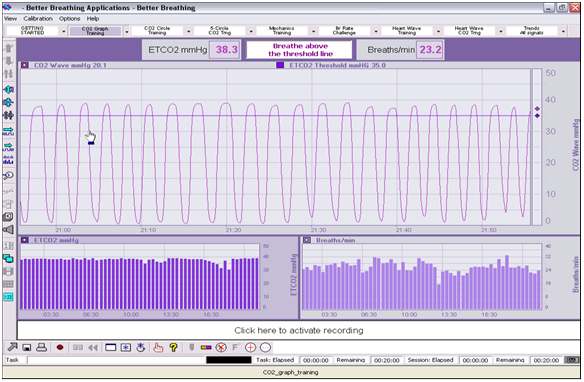
This blog is an introduction to a series of blogs on the use of breathing retraining, via Breathing Dynamics and CapnoTrainer biofeedback technology, for several areas of performance and health.
These include - sporting ,artistic, professional and academic performace, and for prevention and treatment of asthma, snoring, sleep apnoea, anxiety and depression, eczema and other allergies, fatigue, high blood pressure/hypertension and for dental issues.
Should you feel the need for further detail or explanation as a result of reading this blog, the breathing section of this website goes into much more detail and subsequent blogs over the next couple of months will look at the specifics of breathing and breathing retraining for the above pathologies and/or aspects of performance.
The biochemical and physiological consequences of dysfunctional or "over-breathing" (so far I have only ever tested 1 person who breathes functionally, according to medical diagnostic standards, without prior biofeedback training) not only help to create dysfunction in living and performance, but to contribute to the pathology that is evident in the ailments above. In other words, they play a major role in the 'root cause' underlying the pathology. Conversely, retraining one's breathing and improving breathing function, will help to restore balance in the biochemical and physiological processes in the body that contributed to this pathology or lack of performance in the first place.
My interest in breathing originated from 2 sources:
- My involvement in sport at an elite level for many years - both as a coach and an athlete.
- My interest and practice in firstly meditation, and subsequently Ashtanga yoga over many years.
What had really primed my interest and had me open to investigating breathing further was a couple of aspects from the above sources.
Firstly, I had been meditating for several years and had felt great benefit so, in 2001, I decided to do a research review on meditation - both what occurs and its' benefits. A copy of this is found in the downloads section of this website (although my PC skills were not good then and I lost the references and footnotes after the first half - so please excuse this). This triggered my awareness of the role of the autonomic nervous system (ANS) and the balance between the sympathetic (SNS) and parasympathetic (PSNS) aspects of the ANS. In short, the main physiological occurrence in regular meditators, during meditation, is the evidence of parasympathetic nervous system (PSNS) dominance (known as the 'relaxation response') which is the exact opposite of the stress response. It is largely this state that leads to the wealth of physiological and psychological benefits derived from a regular meditation practice. And breathing is the central tenet or practice in all forms of meditation or relaxation.
In addition, breathing is the one function, principally controlled by the ANS (i.e. it works whether we are conscious of it or not), that we can exert a direct conscious influence over. And therefore, by regulating our breathing, we can regulate the balance between the SNS and PSNS aspects of our ANS. And that is potentially HUGE.
Secondly, I was reading a book written about Lance Armstrong ("Tour De-Force") which detailed his training regime and interviewed one of the main doctors of physiology involved in his training program and testing. The program and testing that Armstrong was subjected to was both extremely organised and fine tuned. so that he was acutely aware of where he was at in terms of preparation of the Tour De France at any given time in his lead up. Again, in short, this Dr (Dr Ferrari - who is a world renowned expert in sports training) was asked by the author where he thought that the advances in sporting performance in the future would come from. Outside of illegal drugs, he said that, because understandings of both training and recovery were so advanced, he felt that a great 'untapped' area that could offer potentially huge benefits was to do with breathing. Very, very interesting!!
Three years ago, I met a breathing expert in Sydney (Roger Price - www.breathingwell.com.au) who was a Buteyko Breathing practitioner (which I had previously been aware of and practiced briefly) who combined CapnoTrainer biofeedback technology with the understanding he had gained on breathing via the Buteyko principles and methods. My breathing was assessed via the CapnoTrainer and it was made very evident that my breathing was definitely not functional or met diagnostic norms.
In fact, most people over breathe. I was made aware that whilst diagnostic norms suggest we should breathe at 8-10 breaths per minute (for optimal breathing efficiency) or 12-14,000 times per day, most of us breathe over 30,000 times per day!!!
I was hooked. Apart from my fragile ego being most upset, I could instantly see the benefits of this modality in a number of aspects of my work as a naturopath, and in my role as an athlete/coach and personal practice as a meditator and novice yoga practitioner.
What did surprise me was that, even though the scientific understandings and principles of this modality come straight from mainstream medical text books, this form of assessment and retraining was not available or used in mainstream practice!!!
I think the answer to this lies in the origins of medical model (see "Turning Back The Clock" in the downloads section of this site) and its' heavy reliance on pharmaceutical medicines and the significant role in research and education played by the pharmaceutical industry.
Suffice it to say, the influence of breathing on the body's functioning is systemic and not directly obvious. Yet it plays a significant role in the 'root cause' of so many pathologies or insufficiencies in living and performance.
And there is not a single pharmaceutical medicine that will restore functional breathing patterns and rhythms. It requires training and practice.
Having spent a great deal of time researching and in training for this modality since, I have now incorporated this understanding, training and practice into my clinical and personal practices over the last 18 months to 2 years. In this time I have witnessed some spectacular results that I would never have been able to have achieve using the methods I had previously learned alone.
Breathing Dynamics has given me another significant piece in the puzzle of achieving optimal living and health - both for myself and my clients.
|
February 2, 2012
Health tips for reducing wrinkles
|
Following is an
article from biochemist, Dr Mitra Ray, whose work I have been aware of for many
years. I love her methods and her approach to health and well-being. Definitely worth
a read. I will try to include more articles from Dr Ray in coming blogs. Alternatively
you can visit her website on www.drmitraray.com.
Important Practices for Beautiful Skin: Understanding
Wrinkles
By
Dr. Mitra Ray
Perhaps the most misunderstood
aspect of beauty and healthy skin is the concept of wrinkles. Most people
believe that wrinkles are the result of dry skin, and that as we age our skin
dries out and shows wear and tear. To treat these supposed causes of wrinkles,
Americans spent $1.6 billion in 2008 on anti-aging skincare alone, but have you
ever met someone who effectively removed their wrinkles with a lotion or
potion?
There is also the misconception that
moisturizers will replenish lost moisture and miraculously erase the lines that
all women seem to dread so much. There are products that can temporarily
plump up the skin cells, making them appear more full and smooth, but these
last hours, not weeks or months, and actually may damage skin. One of the worst
things that you can put on your skin is a common ingredient in moisturizers and
lotions. Propylene Glycol is a filler that keeps you from needing to stir your
products every time you use them. It also prevents products from freezing
during transport, but this is because Propylene Glycol is, in fact,
anti-freeze! Long term use can actually cause, rather than treat, wrinkles, dry
skin, dull tone and uneven texture. Other products may contain equally toxic
ingredients, including allergens and known carcinogens. As a safe bet, the only
products that I recommend for the skin are products that you would feel okay
eating. The skin absorbs all of the ingredients that you put on it, so if you
wouldn't serve it in a dish to your family, you shouldn't put it on your face
or body.
So if wrinkles aren't the result of
dry skin or aging, and store-bought creams can't do anything to minimize or
erase them, is there a way to treat wrinkles naturally and effectively? To do
so, we first need to understand what actually does cause the wrinkles in the
first place. And to do this, it's important to learn how to read your face;
different types of wrinkles are the symptoms of different health problems. You
may find it easiest to focus on one set of wrinkles at a time. Let's examine
the different lines people commonly have on their faces, what they mean, and
how to get rid of them.
Horizontal
Lines
Many women have horizontal lines
across their forehead. One possible explanation for these lines is waste in the
intestines, usually the colon. And the deeper the lines, the more waste has
accumulated. The most expeditious way to get rid of these lines is to do a
series of enemas. You can read more about how to give yourself a healthy enema,
and other reasons they're worthwhile, in my book Do You Have the Guts to Be Beautiful?
I also found that once I started on Juice Plus+® (see www.timaltmanjuiceplus.com) some 16 years ago, these lines
went away and they have yet to return. I attribute this to Juice Plus+®
and my improved diet.
Crow's
Feet
Everybody knows what crow's feet
are: the lines that appear at the outer corners of your eyes. These are caused
by processed and overcooked foods. They signal the need to add more raw foods
and fiber to your diet, and to remove processed and overcooked foods.
Lines From Nose to
Mouth
Call them "smile lines", but they seem to get deeper with
age. These are caused by a lack of minerals and omega-3 fats in the diet. These
lines can also occur in the health conscious individual who is on a plant-based
diet, but who is not getting enough minerals and omega-3 fats in a form that is
readily absorbable. The addition of ¼ cup of ground flax seeds to the Green
Drink (see Dr Ray's book and website for details) will address this.
Vertical Lines
There are two short vertical lines that can appear between
the eyebrows. People may call them "worry lines". In reality, these lines
indicate that the liver is clogged up and is not removing toxins properly from
the body. The great news is that these lines are not permanent - you can
actually get rid of them by doing liver flushes, such as the one described in Do You Have the Guts to Be
Beautiful? The deeper your lines, the more flushes you should
do - generally at least once a month. You will notice an increased sense of
well-being within several days after doing a liver flush, and you lines will go
away after several months. You can also treat less severe liver lines by eating
milk thistle daily. The seeds are ground up and sold in capsule form, though
it's cheaper to by the seeds and grind them up fresh for your Green Drink.
Finally, if you want to have beautiful skin you need to be
consuming a pure diet, but you also want to make sure you're eating foods that
improve circulation, which increases blood flow to the skin. Turmeric and
cayenne can boost circulation, as can gingko and hawthorn. You will also want
to take a whole-food based supplement, such as Juice Plus+®.
Read more about Dr. Mitra Ray on her website here.
|
January 13, 2012
Proteins increase energy expenditure
|
Proteins, not sugar, increase energy expenditure
Monday, January 09, 2012 by:
Michelle Bosmier
Learn more: http://www.naturalnews.com/034596_metabolism_protein_sugar.html#ixzz1jBxH1zsi
(NaturalNews) A study published in
the November issue of the science journal Neuron subverts the commonly
held belief that consuming sugar can make you feel more energetic. Researchers
at the University of Cambridge reveal that protein is responsible for
activating cells that keep us awake and help us burn more calories, not
glucose.
According to the study results, our alertness and energy levels depend on a set
of cells called "orexin cells", which secrete a substance that acts
as a stimulant for the brain. When these cells stop functioning properly or
become mutated, sleep disorders like narcolepsy, as well as weight gain, may
settle in.
Orexin cells are a type of neuropeptides whose complete functions are not yet
fully understood. Neuropeptides are tiny molecules that neurons use to enable
communication between each other. Scientists were able to determine that orexin
cells have primary functions in brain metabolism and are involved in the
stimulation of food intake. Orexins were also found to promote wakefulness as
part of our innate system that determines whether we should be asleep or awake.
To learn whether they influence our energy levels, the scientists looked at how
different nutrients interact with orexin cells. Proteins were by far the most
fruitful - the amino acids they are built from stimulate orexin cells to a
greater extent than any other nutrient.
The science team used a fluorescent substance to highlight the precious orexin
cells in mouse brains. They then observed these cells' interactions with
various nutrients, including amino acids from egg-white proteins.
Dr. Denis Burdakov from the Department of Pharmacology and Institute of
Metabolic Science, led the research project. He explained that apparently
inconsequential events, such as our working and sleeping routines, can end up
influencing our overall weight.
"Sleep patterns, health, and body weight are intertwined. Shift work, as
well as poor diet, can lead to obesity. Electrical impulses emitted by orexin
cells stimulate wakefulness and tell the body to burn calories," said Dr.
Burdakov. While glucose normally blocks the action of orexin cells, when amino
acids interfere, they are able to negate the effects of glucose molecules.
The fact that proteins may play a role in weight control is no scientific
novelty. However, researchers are now able to determine exactly how such a
thing is possible. A 2005 study conducted in Sweden by doctors Susanne
Bryngelsson and Nils-Georg Asp had already showed that elevating protein intake
helps reduce body weight faster than by limiting carbohydrate consumption. This
also explains what we were only able to observe until now: that protein-rich
meals tend to make people more alert than sugar-rich meals.
"What is exciting is to have a rational way to 'tune' select brain cells
to be more or less active by deciding what food to eat. Not all brain cells are
simply turned on by all nutrients, dietary composition is critical," said Burdakov.
Learning about this connection between body weight and sleep regulation can
prove very useful for individuals who are trying to control their body weight.
"Research suggests that if you have a choice between jam on toast, or egg
whites on toast, go for the latter. Even though the two may contain the same
number of calories, having a bit of protein will tell the body to burn more
calories out of those consumed," concluded Burdakov.
Sources for this article include:
http://www.foodandnutritionresearch.net/index.php/fnr/article/view/1515
http://www.sciencedaily.com/releases/2011/10/111004123554.htm
http://www.sciencedaily.com/releases/2011/11/111116124714.htm
About the author:
Raw Michelle is a natural health blogger and researcher, sharing her passions
with others, using the Internet as her medium. She discusses topics in a
straight forward way in hopes to help people from all walks of life achieve
optimal health and well-being. She has authored and published hundreds of
articles on topics such as the raw food diet and green living in general. In
2010, Michelle created RawFoodHealthWatch.com, to share with people her approach
to the raw food diet and detoxification.
|
December 16, 2011
Prevent Chronic Illness with Fruits and Vegetables
|
THE POWER OF FRUITS AND VEGETABLES
The title of this article speaks for itself. It provides compelling evidence that (as I've said previously and will keep saying) 'the medicine of the future will be the food we evolved eating in the past'.
The 6 major killers in the western worlds are all chronic, insidious onset, diseases - heart disease, cancer, stroke, obesity related illnesses, diabetes and chronic respiratory illnesses. Modern medicine and engineering has been highly successful in dramatically reducing the percentage of deaths from the previous biggest killers (around 150 years ago) - infectious diseases and trauma. But it is losing the war against chronic illnesses. It's methods mainly serve to palliate.
All of these chronic illnesses are preventable by lifestyle intervention. It is via fresh food and pure plant or organism extracted supplements that we can win this war against the big 6.
(The following is excerpted from Dr. Humbard ‘Smokey' Santillo's book
ProMetabolics: Your Personal Guide to Transformational Health and
Healing)
Fruits and vegetables are rich in many helpful antioxidants. Antioxidants stop the free radical chain reaction by accepting renegade electrons into their own structure and hiding them away, rendering them harmless. It is clearly best for your health to counter free radicals with antioxidants, to prevent excessive free radical damage from pushing the body into a degenerative state that can create a focus of disease. If this disease process were to happen, part of your therapy would be to add more antioxidants to your diet.
Among the many antioxidants supplied by fruits and vegetables are vitamin E and the carotenoid beta-carotene, which defend cell membranes from free radical damage. Vitamin C protects the body's watery components. It seems especially adept at neutralizing free radicals from polluted air and cigarette smoke, and it can also restore oxidized vitamin E to its active state. Green leafy vegetables such as spinach and kale contain lutein, another powerful antioxidant.
Many minerals are antioxidants as well. Iodine, for example, has been shown to be an antioxidant on par with or better than vitamins C and E; its incorporation into cell membranes helps prevent lipid peroxidation. (Smyth PP. Role of iodine in antioxidant defense in thyroid and breast disease. Biofactors 2003, 19:121-130; Tseng YL. Inhibition of lipid peroxidation. Lipids 1984, 19:96-102.) The mineral selenium is a component of the antioxidant glutathione peroxidase, which protects red blood cells and cell membranes from free radicals, working in conjunction with vitamin E (or replacing it). Selenium-rich diets might reduce cancer risks.
We would all do well to follow the advice in Jean Carper's book Stop Aging Now: "Eat all the various fruits and vegetables you can. Nowhere will you find the anti-aging properties you get in fruits and vegetables. They possess countless known and unknown agents that transform your cells into fortresses against the free radical forces of aging. Much of what we call aging is really a fruit and vegetable deficiency." (Carper J. Stop Aging Now. Harper-Collins Publishers, New York, NY, 1996.)
Along those lines, a study reported in the Journal of the American Medical Association identified spinach as the food most apt to prevent cataracts in a group of elderly people. (Seddon J, et al. Dietary carotenoids, vitamins A, C, and E, and advanced age-related macular degeneration. JAMA 1994 272:1413.) Some reports suggest an inverse relationship between DNA damage and vegetable intake--that is, more vegetables, less damage. (Djuric Z, et al. Oxidative DNA damage levels in blood from women at high risk for breast cancer are associated with dietary intakes of meats, vegetables, and fruits. J Am Diet Assoc 1998 98:524-528.)
From an analysis of 4,500 scientific studies and papers on the relationship between cancer and diet, the American Institute for Cancer Research concluded that 40 percent of cancer cases worldwide could be prevented if people ate a low-fat, plant-based diet of fruits and vegetables. (World Cancer Research Fund, American Institute for Cancer Research. Food, nutrition, and the prevention of cancer: a global perspective. American Institute for Cancer Research, Washington DC, 1997.) Dr. Gladys Block, after reviewing 170 studies from different countries, stated similarly, "Eating fruits and vegetables regularly can slash your chances of getting cancer in half." (Block G, et al. Fruit, vegetables, and cancer prevention: a review of the epidemiological evidence. Nutr Cancer 1992 18:1-29.)
Epidemiological studies have also shown that people with high intakes of antioxidant-rich fruits and vegetables have lower rates of cancer. More specifically, vegetables in the cruciferous family-cabbage, kale, broccoli, cauliflower, and others--have been shown to contain phytochemicals (compounds found specifically in plants) that speed the removal of harmful estrogen from the body when it's fighting off breast cancer.
The research results in this area go on and on-and we have not yet even discovered all of the compounds in foods that can have anti-cancer and anti-aging effects. It seems too simple to be true, but when you realize that each fruit and vegetable contains hundreds or thousands of known and unknown phytochemicals, you can better understand the power of whole foods. It is always best to eat the whole food to get all of its synergistic phytochemicals and nutrients in nature's normal, optimal balance.
|
December 2, 2011
Vitamin Supplements
|
Vitamin Supplement Safety
Whilst this is an article that focuses on a particular supplement,
it provides excellent support to my belief (and personal and clinical practice)
that the best and safest supplements come from pure extracts derived from
plants or other natural organisms rather than being artificially synthesized
from individual elements based on our research driven, yet still relatively
limited (in comparison to the complexity of nature) understanding of nutrition.
Juice Plus can be sourced via www.juiceplus.com.au.
I have used this both personally and clinically for 13 years now.
Other pure plant based extracts I use for supplements and in my clinic include
Siberian Red and Bioeffective A which are derived from the needles (or active
elements) of various species of Russian pine trees. Forest biochemists in
Russia and the former Soviet Union, have been researching these extracts for
over 70 years. See www.pineneedleresearch.com
and www.pineneedleproducts.com.
From Dr. Mitra Ray
I receive many questions about the best nutritional supplements to take. People
are especially curious about what makes Juice Plus+® different than
regular vitamins. I answer that question in this month's Q and A, and provide links to some research about vitamin
supplementation and women's health.
How Safe Are Vitamin Supplements?
(And
how are they different than Juice Plus®?)
Question: Dear Dr. Ray: I've been hearing
about the results of a recent study that show increased mortality for women
taking vitamin supplements. Can this be true? And if so, why is Juice Plus+®
better than a regular multi-vitamin?
Answer: First, let me address the issue of the Iowa Women's Health
Study. The study's conclusion was that,
"In older women, several commonly used dietary vitamin and mineral supplements
may be associated with increased total mortality risk. This association is
strongest with supplemental iron." Other large studies have had similar results, and indicate possible harm can
result from use of multivitamins and certain other vitamin supplements.
It's important to note that the
results of this study are not cause for alarm: if you've been taking a
multi-vitamin for years, or you're someone who supplements with various
vitamins, you're not likely to drop dead as a result. The higher death rate
associated with women who used supplements was minimal, and there were many
factors that the study didn't account for.
However - and this is a big However
- what's clear is that not enough is known about what happens to nutrients when
they are isolated and removed from food. Most vitamin supplements are made from
manufactured vitamins. In fact, the word vitamin is so 1950's! A much
more up to date word is phyto-nutrients (phyto meaning plant). An
orange (or any fruit or vegetable), for example, has literally tens of
thousands of different vitamins. All these phytonutrients work together to form
a perfect food. But a vitamin supplement contains only a few of these many
thousands of phyto-nutrients. The recent flurry of research is pointing to the
fact that taking a handful of isolated nutrients can be harmful over time. So
why risk taking something that has been isolated and removed from its original
food source, especially when studies are now indicating possible negative
effects?
This brings us to the second part of
the question, which is about how Juice Plus+® is different. With a
whole-food based supplement like Juice Plus+® the fruits and
vegetables are ground up (much like in a Vitamix), then dehydrated in seconds
using a proprietary method that keeps the phytonutrients intact, and
encapsulated. These encapsulated powders contain the precise ratios of
nutrition that nature intended. In contrast, vitamins are man-made chemicals
that are often way out of nature's balance, and do not have the natural
synergistic effect of nature's food.
A recent systematic
overview out of the University of Toronto
asked the question, "What are the possible health benefits of fruit
and vegetable supplements?" Such a review uses explicit methods to identify,
select, and critically appraise relevant research, and then summarize the data.
There were 22 papers published on fruit and vegetable supplements, and 20 of
them looked at Juice Plus+®. There conclusions were:
- The majority of the studies demonstrated that the
capsules (Juice Plus+®) have high bioavailability
- The evidence indicates a positive impact on reducing
oxidative stress, with significant reductions in oxidation of protein,
lipids and DNA
- The majority of studies indicate effective increase in
serum folate and decrease in serum homocysteine.
|
November 28, 2011
Antidioxidants and Endurance
|
The Role of Antioxidants in the Endurance Athlete
by David Phillips M.D.
Much has been talked about in the
sports and science community about the adverse affects of prolonged and strenuous exercise as it relates to the production of free radicals in an athlete's
body. What are these byproducts of aerobic exercise and why are they damaging
to the human body? More importantly, what role do antioxidants play in
neutralizing these damaging molecules and what can we as athletes do to
facilitate this protective process?
The
‘Radical' Concept
Free radicals are highly reactive
species produced during various molecular processes in the human body. While
environmental factors such as pollution, radiation and cigarette smoke can
spawn free radicals, in this article we will focus on those free radicals
produced during endurance exercise.
Free radicals are atoms or groups of
atoms with an odd or unpaired number of electrons and can be formed when oxygen
interacts with certain molecules. Once formed, these reactive radicals can
start a chain reaction, similar to a domino effect. In other words, these
compounds attack the nearest stable molecule, "stealing" its electrons in order
to gain stability. When the "attacked" molecule loses its electron, it becomes
a free radical itself, beginning a chain reaction. Once the process is started
it can cascade, resulting in the disruption of a living cell. Free radical
damage not only contributes to accelerated aging, it also causes damage to
immune cells. It's not uncommon for endurance athletes such as triathletes or
marathoners to have a higher incidence of colds and upper respiratory
infections after competition and intense training. Free radical damage to
cellular DNA plays a significant role in the evolution of certain cancers,
heart disease and neurological disorders such as Alzheimer's disease.
Exercise
and Oxidative Damage
Endurance exercise can increase
oxygen utilization from 10 to 20 times over the resting state and up to 100 to
200 times in working muscles. This greatly increases the generation of free
radicals via oxidative metabolism in skeletal mitochondria. Fortunately, the
body has an elaborate antioxidant defense system that utilizes dietary intake
of antioxidant vitamins and minerals as well as our body's own enzyme systems
to decrease concentrations of the most harmful oxidants in tissues. Regular
endurance training has been shown to enhance our internal antioxidant defense
system, these changes of which occur slowly over time and appear to parallel
other adaptations to exercise. When free radical production exceeds the ability
of antioxidant enzymes and nutritionally obtained antioxidants to neutralize
them, oxidative stress results. So, what can we as endurance athletes do to
minimize the damage caused by the inevitable overflow of free radicals during
training and competition?
Fruits
and Vegetables: The Power of the Pyramid!
A recent change in dietary intake of
fruits and vegetables by the USDA has placed a greater emphasis on increasing
our daily consumption from the previous 5-7 servings a day to 7-9 servings and
up to 13 servings or more for endurance athletes! Vitamins C, E, and beta
carotene are the primary vitamin antioxidants. Previous research looking into
the effects of supplementing our diets with these isolated nutrients has
yielded equivocal results. Once thought to be beneficial to cardiac health,
isolated vitamin E supplementation has now been questioned. Beta carotene
supplements have been shown to increase lung cancer in smokers as well as
contribute to thickening of the lining of arteries.
Recent studies now point to the
synergistic role of numerous antioxidants obtained from the consumption of
whole foods such as fruits and vegetables. Therefore, a diet rich in naturally
occurring antioxidants appears to outweigh the risks inherent to supplementing
one's diet with isolated laboratory made supplements. Furthermore, various key
trace minerals such as zinc, selenium and manganese found in naturally
occurring foods are needed for the proper functioning of various endogenous
antioxidant enzymes.
Training
Right, Eating Right: Final Thoughts
The endurance athlete faces a
challenge of balancing daily aerobic exercise with preventative measures that
minimize the damaging affects of oxidative stress. Clearly, fruits and
vegetables rich in antioxidants are vital to this balance. Many of us may find
it difficult to consume the recommended amounts of fruits and vegetables to
achieve this balance. For those who are unable to take in enough daily produce,
cryoevaporated fruits and vegetables in capsule form, such as Juice Plus+ (see
www.timaltmanjuiceplus.com.au), make it possible to supplement what we are not
able to consume when we visit the salad bar. Antioxidant supplementation helps
to bridge the gap between what we eat on a daily basis (what we know we should
be eating!) and the optimal amount of phytonutrients needed to combat the
damaging effects of oxidative stress.
As endurance athletes, it is
important to be aware of not only the benefits of aerobic exercise but the
potentially negative aspects training and racing can have on our bodies and
long term health. Finding a healthy balance between training and proper
nutrition will go a long way in promoting longevity in any endurance athletic
activity.
|
David Phillips, M.D. graduated in
1984 from Harvard University where he earned academic honors and was an
All-American swimmer. He received his medical degree from Wright State
University School of Medicine in Dayton, Ohio. After practicing as an
emergency room physician, Dr. Phillips shifted his focus to sports
medicine. He has competed individually in national and international
triathlons including the 2005 Ford Ironman World Championships, and qualified
as a member of Team USA at the 2008 International Triathlon Union World
Championships in Vancouver. |
|
November 24, 2011
Healthy Christmas
|
Cranberries and Christmas
Whilst we don't celebrate Thanksgiving or eat pumpkin pie as much as the
Americans do, we do eat turkey (particularly at Christmas time) and we often
with cranberry sauce. This article written by an American, Kimberley Day, shows
that the humble little cranberry is far more than a great tasting supplement to
turkey or as a juice. It is commonly known that cranberry juice is fantastic in
treating urinary tract infections, but it can do far more than that also................Providing further evidence that the medicine of the future
will be the food we evolved on in the past.
Traditional
Thanksgiving food may be a powerful defense against cancer
Most people have pretty strong
feelings about their Thanksgiving meal. It almost always includes turkey,
followed closely by stuffing, mashed potatoes, and some kind of vegetable
casserole. And, of course, pumpkin pie.
Then there's the sometimes
controversial issue of the humble cranberry. Some like it canned and
gelatinous, while others like the homemade variety. And some don't like it all.
Little does this group know what
they are missing out on. Not just the great taste of cranberries, but the
amazing health benefits that seem to be packed into this unassuming little
berry.
Berry Beneficial
Cranberry is most often studied and
recommended for treating urinary tract infections (UTIs). In fact, it has been
become almost commonplace to use cranberry juice and cranberry supplements to
prevent UTIs caused by E. coli bacteria.[1]
Given this accepted use of cranberry
to treat a bacterial infection, it's no surprise that additional studies have
shown the berry's power to treat bacteria-based periodontal diseases,[2] as
well as H. pylori,[3] a bacteria that has been linked to ulcers and even
stomach cancer.
But it's this cancer tie that really
has researchers atwitter. Turns out cranberries contain a rich store of
polyphenols, which are nutrients that have amazing antioxidant benefits. Plus,
they have several other phytochemicals known to help treat and prevent cancer.
But how do they work against cancer?
That's exactly what one researcher from the University of
Massachusetts-Dartmouth set out to discover.[4]
Cranberries and Cancer Prevention
After reviewing nearly 40 different
studies on cranberries and cancer, the author found that there are three main
phytochemicals that seem to be responsible for cranberry's anti-cancer power:
- Proanthocyanidins (powerful
antioxidants)
- Anthocyanins (anti-cancer, anti-inflammatory)
- Ursolic acid (anti-inflammatory, anti-proliferative)
In vitro studies (think in the lab)
have shown that proanthocyanidins (PACs) have blocked the growth of cancer in
human lung cells, colon cells, and leukemia cells.[5] Similar in vitro studies
have found that PACs induce cell death, particularly with breast cancer,[6]
colon cancer,[7] brain cancer (of the glial cells),[8] oral cancer,[9] ovarian
cancer,[10] prostate cancer[11] and esophageal cancer cells.[12]
The anthocyanins found in
cranberries appear to reduce inflammation, which is commonly associated with
cancer risk. Additionally, these anthocyanins have been shown to block an
enzyme (ornithine decarboxylase) that is known to promote cancer growth.[13]
Plus, anthocyanins limit angiogenesis, or the growth of new blood vessels.[14]
This is important because cancer needs this growth to spread.
But the real hero in cranberries
just may be ursolic acid. This little-known nutrient has been shown to be cytotoxic
toward cancer cells.[15] In fact, an in vitro study found that PACs and ursolic
acid from cranberries brought on cell death in colon cancer cells. But, more
promising, is that an in vivo study found that ursolic acid decreased the size,
weight, and eventually presence of breast cancer cells in mice.[16]
Back to the Dinner Table
Given the known power of cranberries
to fight bacteria and infection, and the promising research surrounding cancer
and this little berry, it only makes sense to have cranberries play a larger
role in our diet. But the form matters.
I'm not talking about jellied or
fresh (we'll get to that in a minute); I'm talking berry versus juice. In
short, skip the juice. Not only is it often sweetened, but the whole fruit has
a higher amount of ursolic acid than the juice.
Now, back to fresh versus jellied.
While jellied is better than juiced, you still have the sugar issue.
So, for your Thanksgiving Day table
(and throughout the year), think berry.
November 17, 2011 | By Kimberly Day,
Contributing Editor, Peak Health Advocate
|
November 17, 2011
Organic Farming
|
Organic Farming V Convential Farming
As a Melbourne naturopath that believes in the value of natural products, Tim Altman has never doubted the benefits of organic farming which are then passed on to the public. This is why he is more than happy to share latest US research that dispels some organic farming myths.
Read this fantastic organic farming newspaper article that shows just how organic farming is the way to go over conventional farming methods. If you have ever had any doubts, doubt no more.
|
September 16, 2011
Focus on Allergy Sufferers
|
A Focus on Allergies, Sinusitis and Hay Fever
Now that Spring is here there are plenty of people seeking out a Naturopath to get treatment for hay fever, allergic asthma and sinusitis. The latest edition of Focus On takes a detailed look at these health issues that are a major cause of discomfort for many people especially during Spring and ways to help allergy sufferers breathe easy.
If you are an allergy, sinusitis or hay fever sufferer make an appointment with Tim Altman, your naturopath South Yarra, South Melbourne and Torquay. He will investigate how to incorporate nutrition, detoxification and breathing retraining with nutraceutical remedies such as Metagenics to prevent or treat sinusitis, hayfever and asthma and achieve a fantastic level of overall wellness and health.
|
September 14, 2011
Allergies, Hayfever and Sinusitis
|
Fast Facts: Allergies, Hayfever, Sinusitis
Current News, Events and Tips
Does paracetamol really reduce fever?
Paracetamol is one of the most commonly used drugs in the Western world. It is used as an effective pain reliever and it is also widely used to reduce fever, especially in infants. So how effective is paracetamol for reducing fever? Paracetamol's mean antipyretic effect is only 0.24°C, which is insignificant compared to an infant's overall temperature. Therefore, there has been some questions raised regarding the efficacy of paracetamol as an antipyretic agent.
Fever helps heal.
As any Natural Medicine Practitioner will know, fevers can actually speed up recovery¹, but high temperatures do need to be closely monitored, particularly in children. Antipyretic strategies should be employed when fevers exceed 39°C in children and 40°C in adults.
Could paracetamol cause allergies?
An analysis of 205,487 children aged 6 to 7 years from 31 countries found that the use of paracetamol in the first year of life and in later childhood is associated with increased risk of developing asthma, rhinoconjunctivitis and eczema.² Furthermore, overuse of paracetamol may reduce antibody-mediated antimicrobial responses and actually prolong infections.¹
References
- Warwick C. Paracetamol and fever management. J R Soc Promot Health. 2008;128(6):320-3.
- Beasely R et al. ISAAC Phase Three Study Group. Association between paracetamol use in infancy and childhood, and risk of asthma, rhinoconjunctivitis and eczema in children aged 6-7 years. Lancet 2008. 372(9643):1039-48.
|
August 25, 2011
Sinus Congestion and Hayfever
|
Sinus Congestion and Hayfever
With winter almost over, some recent warmer weather has given a reminder that spring and warmer times are rapidly approaching. Whilst spring can be a beautiful time of year in Victoria (for both weather and the fillies and fashion!!), it is also the time of year that hayfever, sinusitis and allergies are at their peak.
These ailments can turn a beautiful time of year into a very uncomfortable time. Unpleasant symptoms such as sneezing, sinus congestion, runny nose, itchy eyes, headaches, persistent coughs, wheezing and skin irritations are experiences that many people, despite going to great lengths to avoid, simply have to put up with.
But there are many natural preventative and treatment strategies that can make this spring and enjoyable one.
In addition to reading the Wellness Review (above) on hayfever, sinusitis and allergies, we can offer several highly effective approaches to treating these conditions or, even better, avoiding them altogether. Make an appointment to see Naturopath, Tim Altman in South Melbourne, South Yarra or Torquay. Take a look at clinic times to see what days he is in each location.
|
August 8, 2011
Focus on Preconception Care
|
Fast Facts – Preconception Care
Current News, Events and Tips
-
A male factor is involved in up to 50% of clinical infertility cases, making preconception care for both partners absolutely essential for the best chances of achieving a successful, healthy pregnancy.
(Ref 1)
-
Proper development of the placenta is largely dependent on the expression of genes from the paternal chromosomes, further supporting the role of the male for optimal pregnancy outcomes.
(Ref 2)
-
Infertility is estimated to affect 15 to 18% of couples in Australia.3 While this is an alarming statistic, it is important to remember that many risk factors for infertility, including obesity, toxicity, stress, and oxidative damage, are modifiable through dietary and lifestyle intervention.
Read the complete Focus On: Preconception Care article
References
-
Kumar S, Mishra VV. Review: Toxicants in reproductive fluid and in vitro fertilization (IVF) outcome. Toxicol Ind Health. 2010;26(8):505-11.
-
Miozzo M, Simoni G. The role of imprinted genes in fetal growth. Biol Neonate. 2002;81(4):217-28. Review.
-
Rayner JA, et al. Australian women's use of complementary and alternative medicines to enhance fertility: exploring the experiences of women and practitioners. BMC Complement Altern Med. 2009; 9:52.
|
August 2, 2011
Supplements Colds and Flus
|
Supplements for Cold and Flus
Been exposed to more than your fair share of cold and flus this winter? This month's Wellness Review focuses on natural supplements, herbs, nutrients, vitamins and some diet and lifestyle changes that could give your immune system the boost it needs.
You could also make an appointment with Tim Altman, your Naturopath in South Melbourne, Port Melbourne and South Yarra to say goodbye to colds and flus.
|
July 6, 2011
Weight Loss Case Studies
|
Weight Loss Case Studies
Weight loss, or more precisely, fat loss is one of today's most widely marketed, yet thoroughly confused, health interventions. Current affairs television, magazines, pharmacies and newspapers peddle the latest, greatest revolutionary pill that will shed kilos or cm off your waist in record time. Yet for every quick fix there is always a down side or a catch that winds you back where you started (or worse). Many people end up thoroughly confused, frustrated or despondent.
In order to achieve long lasting weight loss or fat loss it is important to understand the biochemical, physiological and hormonal mechanics of why we put on fat or find it so hard to get off and keep off.
These case studies outline the main principles that underlie the extremely simple and effective fat loss program that I use and give you information to help you understand and take responsibility for your own progress. Two examples are given to illustrate what can be achieved.
Weight Loss Case Studies
We don't aim to break world records. But we do aim to make the fat loss permanent.
|
|
Archives |